


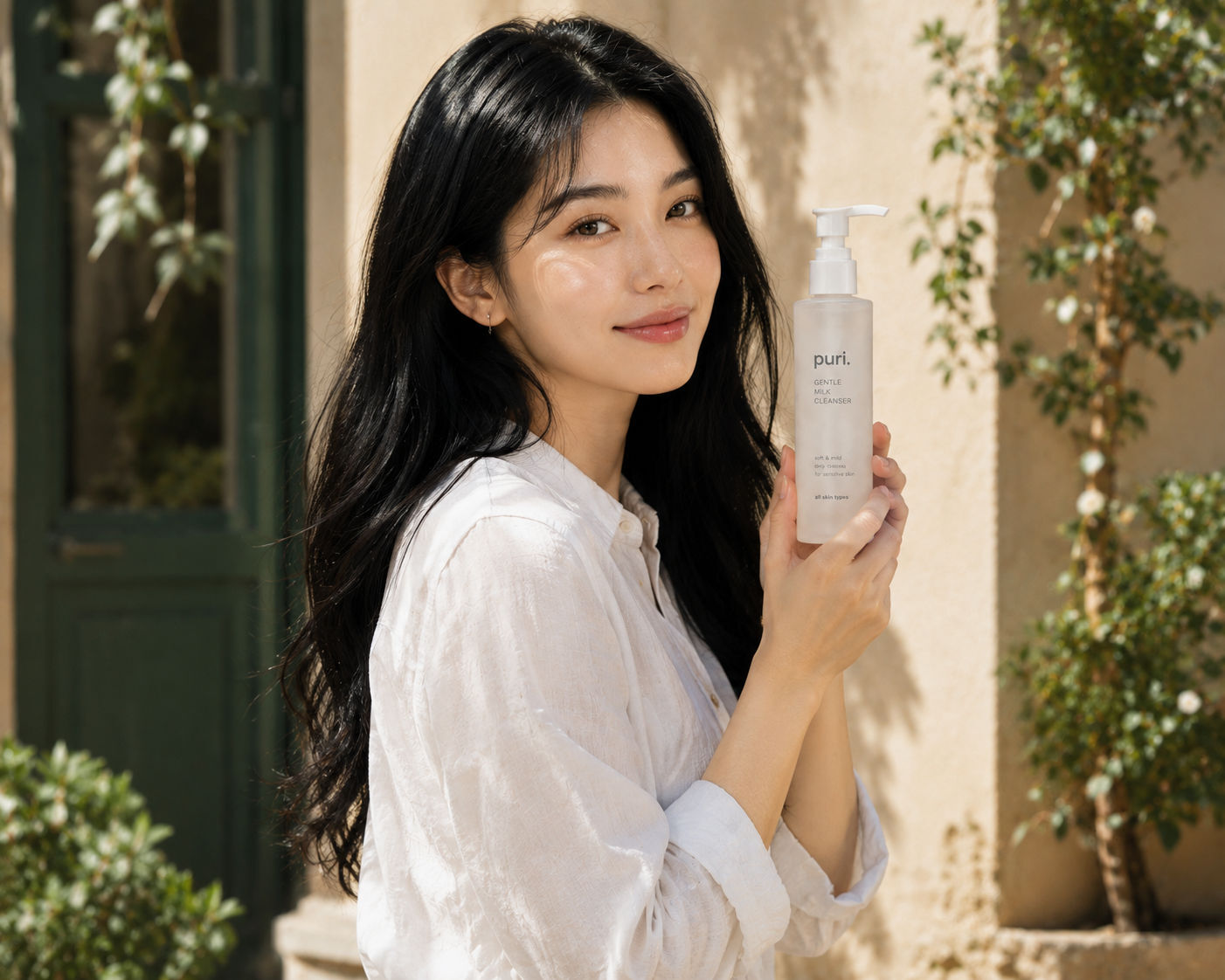
Fermented essence is a low-viscosity skincare product that uses filtrate, lysate, extract, or fermentation metabolite obtained after specific microorganisms, such as yeast or lactic acid bacteria, ferment a raw material substrate as a core ingredient. It is generally used after cleansing or toning, and presents rapid hydration and skin texture, radiance, and barrier conditioning as its main values.
It must be distinguished from probiotic cosmetics, which simply mean that live beneficial bacteria are present in the product. The core ingredients of commercially distributed fermented essences are mostly ferment filtrate or lysate that have undergone filtration, inactivation, and preservation processes following fermentation. Therefore, buyers should verify the microbial strain or species, fermentation substrate, manufacturing process, final INCI, activity indicators, and content, rather than relying on the general term "fermentation."
While fermentation may potentially alter raw material components or generate low-molecular-weight metabolites, it does not automatically guarantee absorption, whitening, anti-wrinkle effects, or skin regeneration. Product efficacy must be judged based on standardized ingredients and the validation of the actual sales formula.
What consumers expect from fermented essences is hydration that absorbs quickly after cleansing, improvement of rough and dull-looking skin texture, radiance, and enhanced usability of subsequent products. It can be reapplied multiple times without heavy creams or oils, making it highly accessible for oily and combination skin types, as well as in hot and humid regions.
On the other hand, the distinctive smell and color of fermented ingredients, individual reactions to yeast, grain, and plant-derived components, and marketing that describes "purging" or stinging as normal effects act as purchasing barriers. Consumers with sensitive skin cannot assume that fermented ingredients are safer simply because they are natural, and new products need to be tested for usability on a limited area.
The consumer issues that the Buyer needs to address are not expanding the fermentation story, but the following three.
- Moisturizing power that is as light as water but leaves no tightness after use
- Low fermentation odor and stickiness, and a texture that layers well with various products.
- Transparent explanation to understand the identity and efficacy of key fermented ingredients
Fermented essences originated from Japan's premium treatment essences and have expanded into K-Beauty's first essence, galactomyces, and yeast ferment products. Currently, high-priced fermented heritage products and K-Beauty substitutes priced between USD 25 and 50 coexist, making it a mature category where it is easy to compare formulas and prices.
Key customers are consumers aged 25 to 45 seeking to manage skin texture and radiance, users desiring a product that is more functional than a toner but lighter than a serum, and online consumers in Asia and North America familiar with multi-step K-Beauty routines and fermentation stories. Since the product alone may lack sufficient moisturizing power for dry skin, it is appropriate to recommend using it in conjunction with a subsequent serum or cream.
NoChemiLife should prioritize a single core fermented filtrate, a fragrance-free formula, ingredient standardization, and batch traceability over vague "natural fermentation." The practice of mixing various types of fermented ingredients, which obscures their content and roles, should be avoided.
The key performance characteristics are immediate hydration, visual improvement of skin texture and radiance, and alleviation of roughness caused by dryness. Galactomyces Ferment Filtrate, Saccharomyces Ferment Filtrate, or Lactobacillus Ferment Lysate may be selected as key ingredients; however, even if their names are similar, they should not be considered the same ingredient because they differ in manufacturing microorganisms, substrates, purification levels, and composition.
Moisturizers such as glycerin, butylene glycol, and betaine, as well as auxiliary ingredients such as panthenol or beta-glucan, may be applied to the basic formula in a limited manner. While the addition of niacinamide can enhance skin tone function, the claim must be designed to distinguish it from the effects of the fermented ingredients themselves.
| Formula Route | Product composition and differentiators | Buyer's judgment |
|---|---|---|
| High-Ferment First Essence | Low-viscosity water type using a high specific gravity of single ferment filtrate | While the fermentation identity is the most distinct, managing proof of content, odor, color, and batch variations is important. |
| Ferment-Hydration Essence | Combination of glycerin, betaine, and panthenol in fermented filtrate | Suitable for global core products due to excellent moisturizing sensation and versatility. |
| Multi-Ferment Active Essence | A combination of functional ingredients such as yeast and lactic acid bacteria fermented extracts and niacinamide. | A strong efficacy story is possible, but managing the contribution of each fermented ingredient and sensitivity is difficult. |
The recommended route is Single-Ferment Hydrating First Essence . It is designed as a fast-absorbing, fragrance-free, and colorant-free formula centered on a single type of fermented ingredient, with a minimal combination of moisturizing components. To enable meaningful comparisons between products, not only the input ratio of the core fermented ingredient but also the solid content or efficacy indicators must be managed.
The safety of fermented ingredients is not determined solely by the description that they are “microorganisms used in fermented foods.” During the ingredient manufacturing process, microbial identification, management of contaminants, impurities and residual substrates, heavy metal and microbial standards, and the completion of fermentation followed by filtration or inactivation processes must be verified. Furthermore, regarding yeast-derived ingredients, the sufficiency of safety data varies by component, so the entire group of ingredients should not be judged uniformly. Review of Yeast-Derived Ingredients in the Cosmetic Ingredient Review
While the potential benefits of fermented filtrate and postbiotic ingredients for skin hydration, barrier function, and the skin environment are being studied, there are significant variations across raw materials, strains, and formulations, and clinical evidence from finished products is not yet uniform. Related reviews suggest potential while also indicating the need for more standardized studies. Topical Probiotics and Postbiotics Review
| Subject to verification | Necessary grounds | RFQ Verification Items |
|---|---|---|
| Fermented ingredient identity | INCI · Microorganism · Substrate · Manufacturing Process · Raw Material Specifications | Whether it is live bacteria or filtrate/lysate, input rate and solid content |
| Safety and quality | Raw material COA, contamination and impurity management, and evaluation of finished product safety and shelf life | Management of batch changes with suppliers for materials derived from yeast, grains, etc. |
| Skin texture, radiance, and moisture Claim | Finished product device evaluation or consumer usage evaluation | Clear distinction between fermentation raw material data and finished product data |
| Color, Odor, and Stability | Appearance, scent, sedimentation, and packaging suitability according to temperature, light, and time | Allowable deviation, shipment and suspension criteria for discoloration and precipitation |
Expressions such as “microbiome balance” and “restoration of skin ecosystem” require more specific evidence than general moisturizing. Products without live bacteria should not be assumed to be probiotics, nor should skin immunity, regeneration, or therapeutic effects be claimed solely from fermented ingredients.
Fermented essences have low viscosity, so they are typically packaged in 100 to 150 mL bottles. Using a cap or pump with a small spout can reduce overuse and contact with the contents. Since changes in color or scent of high-concentration fermented ingredients can lead to consumer complaints, light-blocking properties, airtightness, and compatibility between the contents and the cap/sealing parts must be checked together.
Transparent containers have the advantage of allowing the contents to be seen directly, but natural color variations and sedimentation are easily visible. Acceptable appearance standards and shipment criteria must be established in advance so that OEMs do not explain this merely as a “natural phenomenon.”
The unopened shelf life should be targeted at 24 to 36 months and confirmed based on the stability data of the finished product. The final INCI must be accurately displayed on export labels, and the proprietary fermentation name used by the brand must not be confused with the legally recognized ingredient name. Figures such as ingredient content and "90% or more of fermented ingredients" must be indicated by distinguishing whether they refer to the input amount of feed ingredients including water and solvents or the actual fermented solid content.
Even with the same water-type appearance, fermented essences vary significantly in price depending on the raw material brand, fermentation content, and verification level.
- Entry K-Beauty: USD 18~28 (based on 100~150mL)
- Core K-Beauty: USD 28~45
- Premium Ferment Heritage: USD 80 or more
The recommended price for NoChemiLife is USD 30–42 based on 120–150mL. Rather than simply emphasizing the ferment filtrate content, it is appropriate to base the price on the raw material supplier, fermentation substrate and quality indicators, fragrance-free feel, and evaluation of the finished product's moisturizing and skin texture.
In OEM quotations, one should not compare only the nominal input rate of fermented raw materials. This is because raw materials with different concentrations and solvent compositions may differ in actual amount of active ingredients and cost even if they are labeled as 90%.
SK-II Facial Treatment Essence is a representative premium fermented essence based on Galactomyces Ferment Filtrate. Combining a concise formula with the proprietary fermented ingredient PITERA™, it serves as a benchmark that established fermented essences as an independent global category. The fermented filtrate is also presented as a key ingredient in the officially disclosed full ingredient list. SK-II Official Product Information
MISSHA Time Revolution The First Essence 5X is a K-Beauty first essence emphasizing 97% cica yeast ferment and a multi-stage fermentation process. It is suitable as an OEM/ODM benchmark due to its high-fermentation positioning and its status as an accessible alternative to premium essences. MISSHA Official Product Information
NEOGEN Real Ferment Micro Essence is a K-Beauty product featuring over 93% fermented ingredients and offering rapid absorption and hydration. This is a comparison between the multi-ferment route utilizing multiple fermented ingredients and a price range in the USD 30s. NEOGEN Official Product Information
The three products demonstrate different paths, respectively: a proprietary fermentation heritage, a high-yeast fermentation, and a complex fermentation formula. New buyers should prioritize securing raw material standardization and finished product differentiation rather than simply replicating the ingredient counts of well-known products.
Korean OEM/ODM manufacturers have extensive experience with raw materials derived from galactomyces, saccharomyces, and lactobacillus, as well as first essence formulations. However, since the composition and concentration of the "fermented complexes" presented by manufacturers vary by supplier, a manufacturer should not be selected based solely on the feel of samples.
| OEM/ODM Route | Suitable Buyer | Essential Checks |
|---|---|---|
| Ready Formula | Buyers for whom rapid launch and low development costs are important | Overlap with existing supplier brands, fermented ingredient content, scope of in-house testing |
| Semi-Custom ODM | Buyers looking to adjust key fermented ingredients, viscosity, moisturizing properties, and packaging | Possibility of material substitution, scope of exclusivity, re-verification of stability and claims after change |
| Full-Custom ODM | Buyers who need stories about proprietary strains, substrates, and regional ingredients | Fermentation partners, raw material development costs, standardization and scale-up, ownership of formula and raw material IP |
The RFQ includes the target INCI and content of the fermented ingredient, whether it is fragrance-free, target viscosity and color, moisturizing and skin texture claims, volume, container, country of sale, MOQ, and target FOB. If proprietary fermented ingredients are desired, quotations for ingredient development and finished product development must be obtained separately, with different schedules and costs.
Contact to: mail@markethub.org
The Buyer must request the following from the OEM/ODM in writing.
- What are the microorganisms and substrates used for fermentation, the final INCI, and the raw material manufacturing process?
- Is the indicated fermentation content the feedstock input rate, fermentation solids, or an activity indicator?
- What are the key specifications, microorganisms, and impurities managed in the raw material COA?
- What are the allowable standards for odor, color, and sedimentation of the finished product, and what is the variation between batches?
- Are the claims regarding skin texture, radiance, and hydration based on ingredient data or test results of the actual sales formula?
- Can you provide data on preservation efficacy, stability, container suitability, and skin safety?
- Do you obtain Buyer approval when changing raw material suppliers or fermentation batches?
- What about MOQ, sample and testing costs, FOB, lead time, and formula exclusivity and ownership?
The commercial advantage lies in the ability to simultaneously leverage the essence usage culture and the K-Beauty fermentation image. Major risks include similarity to competing products, marketing that emphasizes only the numerical content of source ingredients, fermented odors, and batch variations. Therefore, the product has high commercialization value when the traceability of the single fermented ingredient and a light texture are ensured.
KB-RFQ-029 Final Decision
Global Core: A.
While the product is highly recognized and suitable for repeated use among K-Beauty consumers in Asia and North America, it is necessary to explain the product's role and usage order to markets that are unfamiliar with fermented essences.
OEM/ODM Priority: A+
Korean manufacturers have sufficient experience in utilizing fermented raw materials and producing low-viscosity essences. However, since the quality and content standards of raw materials vary under the same fermentation name, a technical comparison by the buyer is essential.
NoChemiLife Hero Product:
Suitable when the identity, impurities, batch variation, and efficacy of the Selective single fermented ingredient can be transparently disclosed. An approach claiming that it is “unconditionally safe simply because it is natural fermented” does not align with NoChemiLife's verification principles.
Recommended Route: Single-Ferment Hydrating First Essence / Fragrance-Free / 120~150mL / Core Retail USD 30~42
Go Conditions: Verification of fermentation microorganisms, substrates, and INCI; clarification of content standards and solid content; securing of raw material COA and batch traceability; passing of preservation, stability, and packaging suitability; and verification of finished product moisturizing and skin texture claims.
Hold Condition: If the input rate of raw materials is displayed as if it were pure fermentation active content, if the identity of the fermented raw materials and the manufacturing process are not disclosed, or if probiotic, microbiome, or regenerative claims are used without basis.
Key Evidence: Five key pieces of evidence were incorporated, including the safety review of yeast-derived ingredients by the Cosmetic Ingredient Review, a literature review of topical probiotics and postbiotics, and official product data from SK-II, MISSHA, and NEOGEN.
Key to Product Design: The competitiveness of fermented essence lies not in the number of fermented ingredients or high nominal content, but in standardizing a single fermented ingredient with clear microorganisms, substrates, manufacturing processes, and final INCI, managing variations in color, odor, and batch, and verifying moisturizing and skin texture efficacy in the actual sales formula.
Runtime: 2026-09-01
